Lots & Land
Why are some Trinity River lots near Coldspring so cheap, and what does an AE flood zone mean?
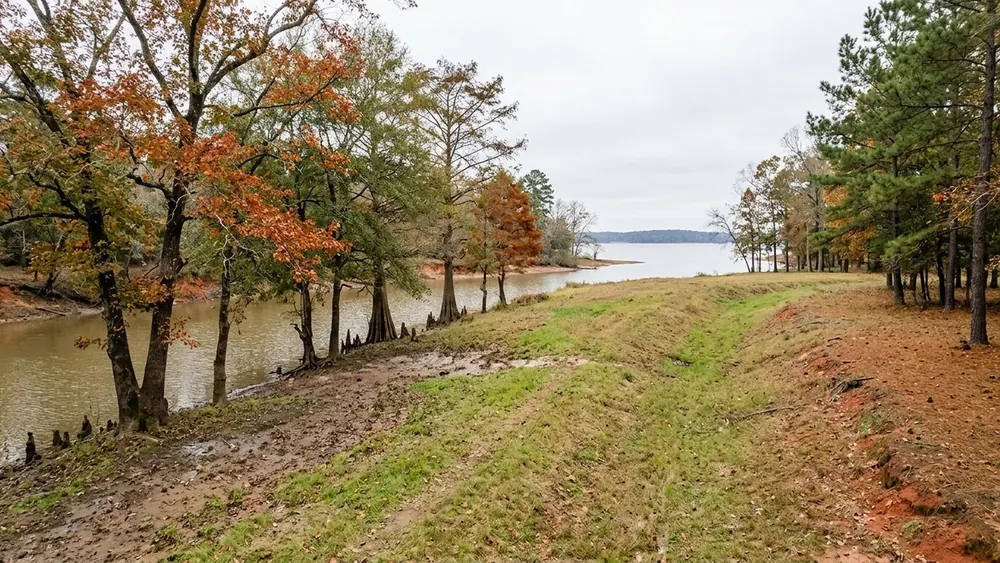
A lower price on a Trinity River lot near Coldspring can reflect open questions about flood risk. An AE designation marks a higher flood risk area on the official flood map and can affect building, insurance, and financing.
On this page
The short answer on river lot prices
A Trinity River lot near Coldspring may be listed for less than other land because of the questions that come with it, and the flood zone is often the first one. An AE designation marks a higher flood risk area on the official flood map. It can affect whether and how you can build, what insurance involves, and whether a lender will finance the purchase. The price may simply reflect those open questions.
That does not make a river lot a bad purchase or a good one. It makes it a purchase with a specific set of questions that need answers before you commit. Some buyers want a piece of land by the river for reasons that have nothing to do with building a house. Others plan to build and need to know what the designation means for that plan before they sign anything.
This article explains what to check, in what order, and who answers each question. It does not tell you what any flood rule says, because those rules come from official sources and they change. Jean does not give insurance or engineering advice. The aim is to help you walk into each conversation with the right questions written down, so the answers you get apply to the exact lot you are considering.
What an AE designation tells you
The official flood map divides land into zones based on flood risk, and an AE designation is one of the zones marked as a higher flood risk area. When a listing says a lot sits in an AE flood zone, it is pointing you to that map. Treat the listing as the start of the question. Look the lot up on the official flood map yourself, or ask someone who can, so you see the designation for that exact parcel.
The designation matters because other people use it to make decisions about the lot. An insurance agent looks at it when you ask about coverage, a lender looks at it when you ask about financing, and the county looks at it when you ask about building. Each of them can tell you what the designation means from their side. That is why each of them belongs on your list before you commit to anything.
Flood maps change over time, and a lot can be partly in one zone and partly in another. That is a good reason not to rely on an old printout, a neighbor’s memory, or a general description of the area. Confirm the current designation for the exact parcel with official sources. If part of the lot sits in a different zone, ask each of your professionals whether that changes their answer.
Why price and flood risk travel together
Buyers and lenders both weigh flood risk, so a designation like AE can narrow the group of people who can buy or finance a lot easily. When fewer buyers can move ahead, a lower asking price is one possible result. That is a general pattern, not a prediction about any particular lot or its future value. The price on a specific listing reflects many things, and only some of them show up on a map.
Insurance is often the biggest open question. The cost and availability of coverage for a lot in a higher flood risk area is something only an insurance agent can answer, and it can change the real cost of owning the land. Ask for an answer for the exact parcel and the use you have in mind. A vacant lot you plan to keep as is may raise different questions than a lot you plan to build on.
Financing works the same way. If you need a loan for the purchase, ask your lender early whether the flood designation affects the loan and what they will need from you. Some buyers find out late in the process that financing is harder than they expected. Asking first lets you plan around the answer, whether that means changing your approach, looking at other land, or moving ahead with clear expectations.
Questions to ask before you make an offer
Before you make an offer on a Trinity River lot, write down the questions that apply to it and who will answer each one. Keep the list short and specific. It is easier to get a clear answer when you ask about one parcel and one plan than when you ask in general terms. These are the questions most river lot buyers should have answered before anything else.
- What the current official flood map shows for the exact parcel, including any split designation
- What an insurance agent says about coverage for that lot and your intended use
- What your lender says about financing a lot with that flood designation
- What the county says about building on the lot, if you plan to build
Add a surveyor if the lot lines are unclear, and a real estate attorney if anything about the title or the paperwork raises a question. None of these steps needs to be complicated. The point is to get each answer from the person responsible for it, in writing where you can, before you are committed. Then you can decide with the facts in front of you instead of guesses.
Who answers each river lot question
Each part of a river lot decision has its own source, and mixing them up is how secondhand answers creep in. A listing can point you in the right direction, but it is not the final word on flood risk, insurance, financing, or building. This table sums up the main questions, why each one matters for a Trinity River lot near Coldspring, and who to ask about it.
| Question | Why it matters | Who to ask |
|---|---|---|
| What is the flood zone? | It can affect building, insurance, and financing | The official flood map |
| What will coverage involve? | It shapes the real cost of owning the lot | An insurance agent |
| Can I finance this lot? | Financing can depend on the flood designation | Your lender |
| Can I build here? | Building questions depend on the exact parcel | The county |
| Where are the lot lines? | It confirms exactly what you are buying | A surveyor |
Notice that none of these sources is a listing, a neighbor, or a general article like this one. Those can help you form the right questions, but the answers belong to the people and records in the table. If two sources seem to disagree, take that back to both and ask why. A clear answer from the right office is worth more than a quick answer from the wrong one.
Situations that change the river lot picture
Your plans change which questions matter most. If you want land by the river to keep as open land, the building question may matter less, while insurance and the county record are still worth checking. If you plan to build a home, building, insurance, and financing all move to the front of the line. Say what you actually plan to do with the lot, because the right questions follow from that.
It also helps to compare a river lot with other kinds of land. A lot inside Cape Royale comes with community fees, rules, and its own flood designation to check, while acreage around Point Blank comes with fewer community rules and its own questions about service and county. Comparing them on the same list of questions is fairer than comparing them on price alone. It also shows what each price might be reflecting.
Getting ready to talk about a river lot
Before your first conversation about a Trinity River lot, gather the basics in one place. You do not need answers to everything yet. Having what you know on one page makes it easier to see which questions are settled and which still need a call to the right office. Start with these items, and add notes as you learn more.
- The listing or parcel description for the exact lot you are considering
- What you plan to do with the lot, now and further down the road
- Any flood map, insurance, or financing answers you have already received
- A list of the questions still open, with who you plan to ask
When you have that list, bring it to Jean to sort out which questions apply to the lot in front of you. There is no pressure to decide anything in that first conversation. Some lots will be worth pursuing and some will not, and both are good outcomes when they come from clear answers. Which river lot near Coldspring are you looking at, and what do you plan to do with it?
This article is general information about buying, selling, and renting property around Coldspring, Cape Royale, and Lake Livingston, Texas. It is not legal, tax, lending, insurance, valuation or inspection advice and does not predict prices, rents or results. Confirm fees and rules with the community, service with each utility provider, flood zones with the official flood map and the county, county records with the appraisal district, lease terms in the lease, and financing with a lender. Jean Summers, RA Brokers.

Written by